
When the skies open up and the monsoon season rolls in, every Indian driver knows the drill: slippery roads, reduced visibility, unexpected potholes, and traffic delays. While windscreen wipers, headlights, and brakes often take centre stage in car care during monsoon. There’s one crucial element that deserves to be right at the top of your checklist are your car tyres.
Tyres are your vehicle's first and only contact with the road. And in wet, unpredictable driving conditions, they’re not just important, they’re vital.
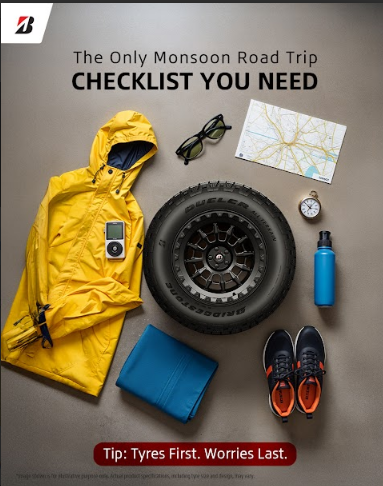
Disclaimer: Images (s) shown are for illustrative purposes only. Actual product specifications, including tyre size and design, may vary.
Why Tyres Take the Front Seat During Monsoons
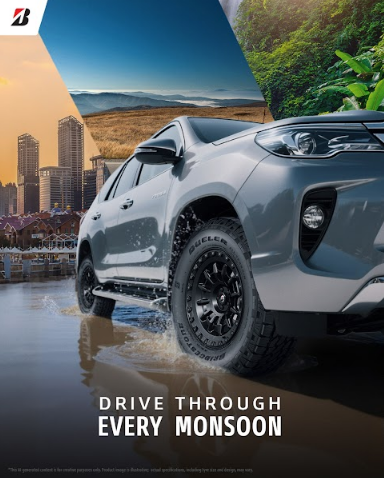
Disclaimer: Images (s) shown are for illustrative purposes only. Actual product specifications, including tyre size and design, may vary.
Tyres are often underestimated when it comes to seasonal maintenance. But during the monsoon, they play a decisive role in determining not just your comfort, but your safety.
Poor tyre condition increases the risk of hydroplaning (when your car loses traction and slides over the water surface), reduces braking efficiency, and compromises steering control. From waterlogged streets to the slippery bends of the Western Ghats, Indian roads really put your tyres to the test during the monsoon. Keeping them in good shape can mean the difference between a smooth drive and a risky one.
Quick Fact:
Did you know? Tread depth below 1.6mm significantly increases the chances of skidding on wet roads.
Tyre Maintenance Tips During Monsoon Season
Before the first heavy showers hit, make sure to include a tyre inspection in your pre-monsoon maintenance routine. Paying attention to these essentials can make all the difference when it comes to safety and control on wet roads:
1. Tread Depth
Adequate tread depth helps channel water away from the tyre surface, improving grip and reducing the risk of hydroplaning.
Tread Wear Indicator (TWI): Tyres should be replaced or changed when the tyres are worn to the level of the Tread Wear indicators, i.e., 1.6 mm remaining depth of the groove. As per legal requirements, all Passenger car tyres and Truck and Bus tyres are moulded with Tread wear indicators with a height of 1.6mm above the base of tread grooves. For motorcycles and Scooters, this height is 0.8mm. The TWI position marker (check tyre shoulder for marking like Triangle/TWI etc.) indicates the position of the Tread Wear Indicators.
If tyres are used beyond this limit, they may not be able to provide suitable grip on wet roads. Worn tyres are also susceptible to punctures and damage due to less rubber remaining to resist damage.

Disclaimer: Images (s) shown are for illustrative purposes only. Actual product specifications, including tyre size and design, may vary.
2. Tyre Pressure
Fluctuating temperatures and humid conditions during the monsoon can affect tyre pressure more than usual. Overinflated tyres reduce contact with the road, while underinflated ones decrease stability and increase wear. Check the pressure once in every two weeks and maintain inflation pressure as recommended by your vehicle manufacturer. Recommended pressure for your car tyre can be found in places like the driver’s side door jamb, the owner's manual, the back of the fuel cap, etc.
3. Sidewall Damage
Heavy rains often hide potholes and debris that can damage your tyre (such as tread, sidewalls, etc.). Inspect for visible cracks, bulges, or cuts, as these could lead to sudden air loss or even a blowout. If you notice damage, get the tyre examined by a professional immediately.
4. Wheel Alignment
Misaligned wheels cause uneven tyre wear and make steering feel unstable, especially on smooth road surface. If your vehicle pulls to one side or the steering feels off-centre, it’s time to check the alignment. Proper alignment ensures smoother rides, better control, and sgood braking in wet conditions.
5. Rotate Your Tyres
Rotating your tyres every 5,000 to 8,000 km as per OEM recommendation helps distribute wear more evenly across all four tyres. This ensures better traction and a longer tyre lifespan, especially important on slippery, rain-washed roads.
General Maintenance Tips & Smart Driving Habits During Monsoon Season
Maintaining good tyres is essential, but how you drive on them matters too. Here are some general car care tips for the monsoon to keep in mind:
1. Clean Tyres After Drives
Rainwater often carries mud, gravel, and road debris that get lodged in tyre grooves. Rinse tyres after long drives to prevent premature wear and ensure optimal grip in future trips.
Even with good tyres, how you drive makes a big difference to your safety in the monsoon. These habits help your tyres maintain maximum contact with the road.
2. Avoid Sudden Acceleration
Rapid acceleration can cause tyres to lose grip on wet surfaces, increasing the risk of skidding. Accelerate gradually to maintain tyre contact with the road and stay in full control of your vehicle.
3. Don’t Drive Through Water Above Axle Height
Water levels above the axle can damage your vehicle’s braking and electrical systems, and reduce tyre traction. If you must drive through standing water, do so slowly and avoid large puddles whenever possible.
Let Your Tyres Lead the Way This Monsoon
When the rains come, visibility drops, and braking becomes unpredictable. But one thing stays within your control: the condition of your tyres. So, before you check your wipers or restock your washer fluid, start with a tyre check. It's the smartest, safest, and most empowering first step in your car care routine in the monsoon.
Explore Bridgestone’s premium car tyre range, including Turanza Passenger Tyres, engineered for superior wet grip, precise control, and premium comfort. Enjoy a smooth and safe drive with Bridgestone tyres, engineered to deliver confidence and performance when it matters most.
Disclaimer:
- Images (s) shown are for illustrative purposes only. Actual product specifications, including tyre size and design, may vary.
- The information provided is for general guidance only. The author assumes no responsibility for errors or omissions, or for any consequences resulting from the use of this information.
Keywords:
| car care in monsoon | 30 | 4 |
| car care tips for monsoon | 210 | 3 |